Simulating stress: The tech behind AI driven interview coaching
Simulation has always been a major part of training for high-risk jobs. Pilots spend hundreds of hours in flight simulators, and surgeons use virtual reality to practice operations before they ever touch a patient. The goal is to build muscle memory under pressure. Recently, this same technology has started moving into the professional world.
New platforms are using biometrics and voice analysis to help people handle high-pressure communication across many different industries.
This shift is happening because of improvements in how software processes human emotion and vocal patterns in real time.
The data behind the stress response
When a person is under stress, their body gives off specific signals. Their heart rate increases and their speech patterns change. In the past, the only way to practice for these moments was to have a human coach provide feedback. This was always subjective and often lacked hard data.
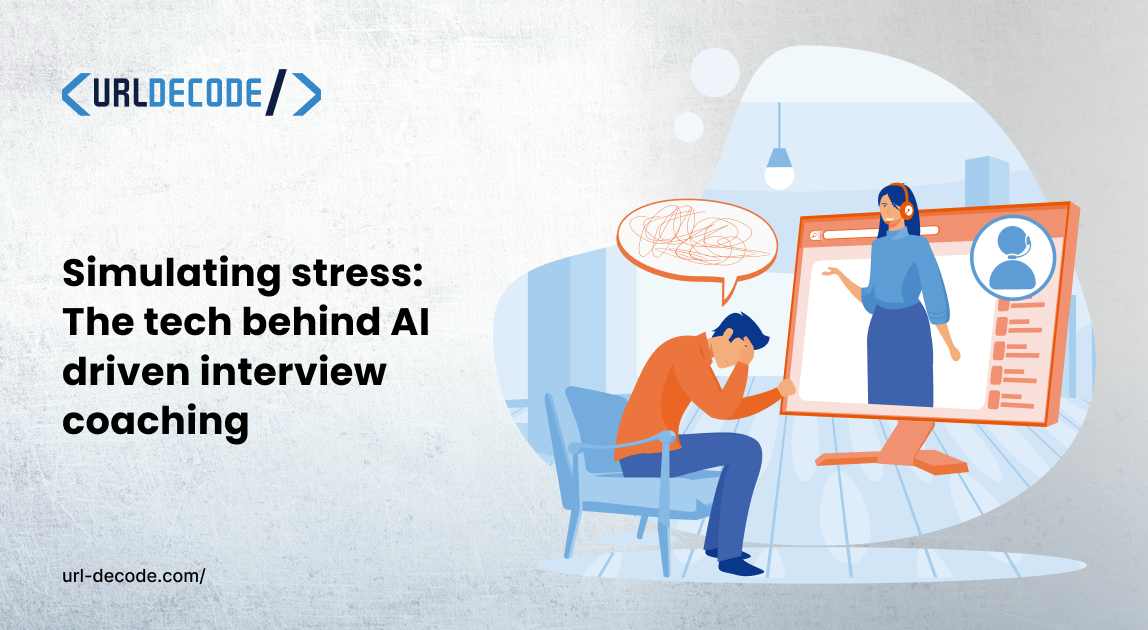
Modern simulation tech changes this by focusing on vocal biometrics. Some platforms now analyze vocal frequency and filler words to determine exactly when a user is losing focus. By tracking these metrics, the software can provide a score on how well a person handles a stressful prompt. This creates a feedback loop that helps users stay calm when the stakes are high.
How high-pressure training moved to the browser
The most interesting change is that this training no longer requires expensive hardware. Most of these simulations now run directly in a web browser. This has allowed high-level coaching to expand into everyday professional workflows.
Public relations teams now use these tools to practice for crisis management or difficult press conferences. Corporate sales departments use them to simulate high-stakes negotiations where a wrong word could cost a deal. Legal professionals are even using this tech to prepare for courtroom cross-examinations.
It is also becoming a standard for students. For instance, med school interview preparation often involves intense ethical scenarios that are meant to rattle the student. By using simulation software, the students can experience that pressure repeatedly. It allows them to get used to the feeling of being on the spot before the actual interview takes place.
The role of real-time analysis
The tech is also moving toward real-time intervention. Some newer systems can adjust the difficulty of a simulation based on the performance of the user. If the software detects that a person is too comfortable, it can introduce more difficult questions or change the attitude of the digital evaluator to be more challenging.
This type of adaptive learning is the next step for professional development. The objective is not just to memorize an answer but to train the brain to stay logical when the body is in fight or flight mode.
A shift in professional standards
The move toward digital stress simulation is changing how people prepare for their careers. In the past, high-level coaching was a luxury that only a few could afford. Now, anyone with a laptop can access tools that provide objective feedback on their performance.
As these tools become more common, the focus of training will likely continue to shift. Success in a high-stakes environment will not be about what a person knows but about how they perform when the pressure is turned up. This technology makes it possible for anyone to build that confidence before they ever walk into the room.