Media Monitoring Software and the Rise of Predictive Reputation Intelligence
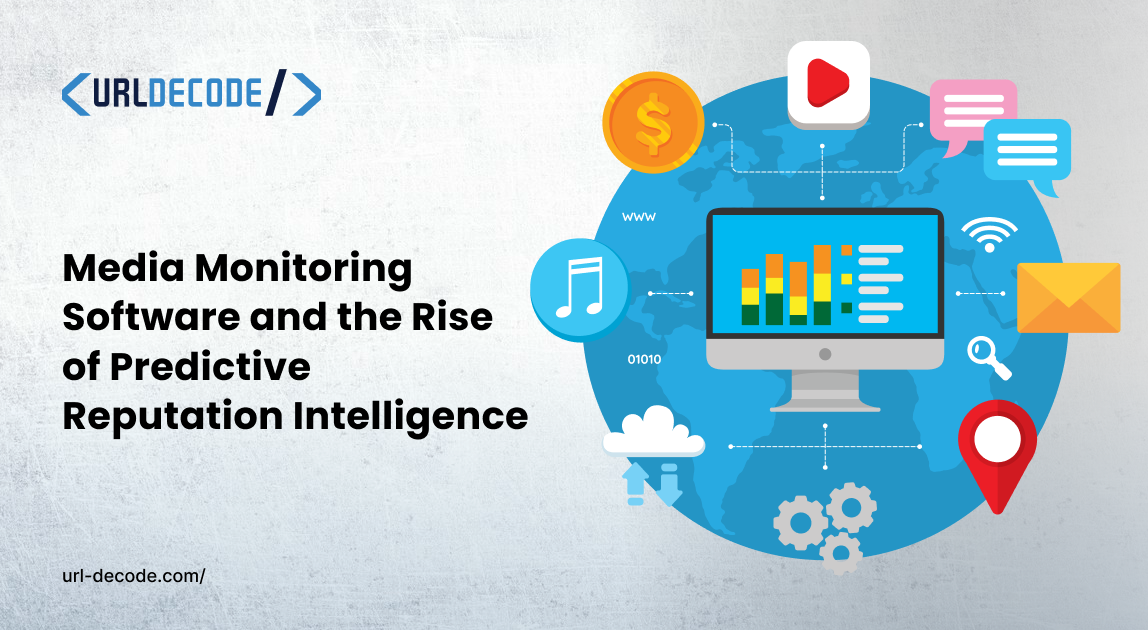
Media Monitoring Software and the Rise of Predictive Reputation Intelligence is an indication of a significant change in the perception of the organization and its approaches to managing the opinions of people. In the modern interconnected digital age, reputation is easily transformed in a few seconds, even minutes, of a popular trend, post, or news. The old methods of monitoring that were only used to follow the mentions or collect naked analytics are no longer sufficient.
Businesses are in need of systems that not only monitor conversations, but also foresee risks before they blow out of proportion. It is this increasing demand that is driving the emergence of the new generation of technology, which is predictive reputation intelligence, a technology that is aimed at enabling brands to outpace new threats and opportunities.
The History of Media Surveillance.
Media monitoring has come a long way from manual clipping services and primitive key search tracking. With the growth of digital channels, software applications have evolved to be more advanced, with the ability to record conversations on news outlets, blogs, social networks, forums, and video blogs. Businesses started using them to maintain a watch on brand mentions, competitors, and trends in the industry.
But contemporary communication is now too quick and too complicated to be monitored reactively. The amount of online information is increasing each second, and the mood of the people changes fast. Within this climate, businesses came to the realization that visibility was not sufficient but that they required more intelligence that would analyze problems on a scale and how they could potentially unfold.
What Predictive Reputation Intelligence Holds in the Tabling.
Predictive reputation intelligence is a step up in the media monitoring field by applying artificial intelligence, natural language processing, and machine-learning models to the already existing tracking capabilities. These systems do not just gather data but also analyse trends in the conversations in order to foresee possible crises, new stories, or changes in the social mood.
Predictive engines apply standards like message speed, emotionality, involvement of influencers, historical data, and cross-platform consistency. By doing so, they will be able to predict how a minor problem could turn into a viral scandal or how a good news piece can turn into a bigger brand-building campaign. This will enable the companies to be thoughtful and strategic in response instead of acting like they are trying to put out the fires.
Why is this important in Businesses in the current times?
The first, most important, but important asset that a company has turned out to be is its reputation. One bad news can affect the trust of customers, investor confidence, and brand value in the long run. Predictive reputation intelligence puts the organizations in more control of how they manoeuvre the open space.
Detection of risks will enable the companies to rectify misinformation, modify communication, or communicate to key audiences before the stories get out of control. Meanwhile, the predictive insights assist in revealing proactive opportunities in storytelling, product positioning, or collaborations. This long-term strategy enhances the strength of the brand, makes decisions more effective, and helps manage the reputation in the long term.
The role of AI and Machine Learning in Reputation Forecasting.
Predictive reputation systems are centrally focused on artificial intelligence. Machine-learning models are continuously trained on large datasets of online behavior, learning the manner in which various types of media attention grow, decay, and evolve. NLP software allows software to understand the context of a conversation and not just count the mentions.
Sentiment analysis goes further into emotional context, whereas sophisticated classifiers are able to identify sarcasm, fake news, or some kind of organized activity on the web. With such technologies being advanced, predictive engines are improving in detecting signals that a human being may be blind to.
As an example, abnormal action by special interest online groups may be an indication of a story that is catching on. Viral spread may be anticipated by early intervention by influencing social accounts. AI detects these signals at the first stages, providing brands with the necessary time to come up with a response.
Combining Predictive Intelligence with Communication Strategy.
Organizations that intend to make the maximum use of predictive reputation intelligence should be able to incorporate it into their overall communication strategies. This implies the creation of workflows in which the insights will inform the planning of public relations, executive communications, marketing campaigns, and crisis response systems.
Predictive tools alert the member of potential trouble, which allows the communication teams to be ready to make a statement, notify the leadership, or modify their message before they escalate to critical levels.
Predictive intelligence also increases comprehension among the audience. Through the examination of community behavior and preference, the brand gets a better understanding of what works, what issues are of the most concern, and how sentiment is developed among particular demographics. These insights enhance the alignment of messages and enhance effectiveness in general communication.
The Future of Reputation Management and Media Monitoring.
Predictive reputation intelligence is just the tip of the iceberg. With more sophisticated AI, the media monitoring tools will probably become a large-scale decision support system that can advise companies on the risks of communication, brand positioning, audience engagement, and even competitive strategy. Long-term forecasting will be combined with real-time information to produce smarter models that enable organizations to manoeuvre through an ever-complicated media environment.
Reputation intelligence might be incorporated into customer service platforms, cybersecurity tools, and market analytics systems in the near future to have a complete view of risks. The business firms will be in a position to monitor how online stories relate to customer behaviour, regulatory issues, sales behaviour, and investor moods. Such a combined tactic will transform the meaning of reputation management as a strategic tool instead of a responsive activity.
Conclusion
Media Monitoring Software and the return of Predictive Reputation Intelligence are two of the significant developments in the way organizations are able to handle their public image. With the increasing speed of communication and the rise in the unpredictability of online behavior, predictive tools provide much-needed insight to enable brands to be ahead of the new storylines emerging.
Through the integration of data science, AI, and strategic communication concepts, predictive reputation intelligence will reinvent media monitoring as an active process and a proactive, forward-moving asset. Those businesses that embrace these technologies will be in a better position to cushion their reputation, recognize opportunities in good time, and have a better relationship with their audiences in an ever-evolving online environment.