Liveness Detection Software: The Frontline Defense Against Identity Fraud
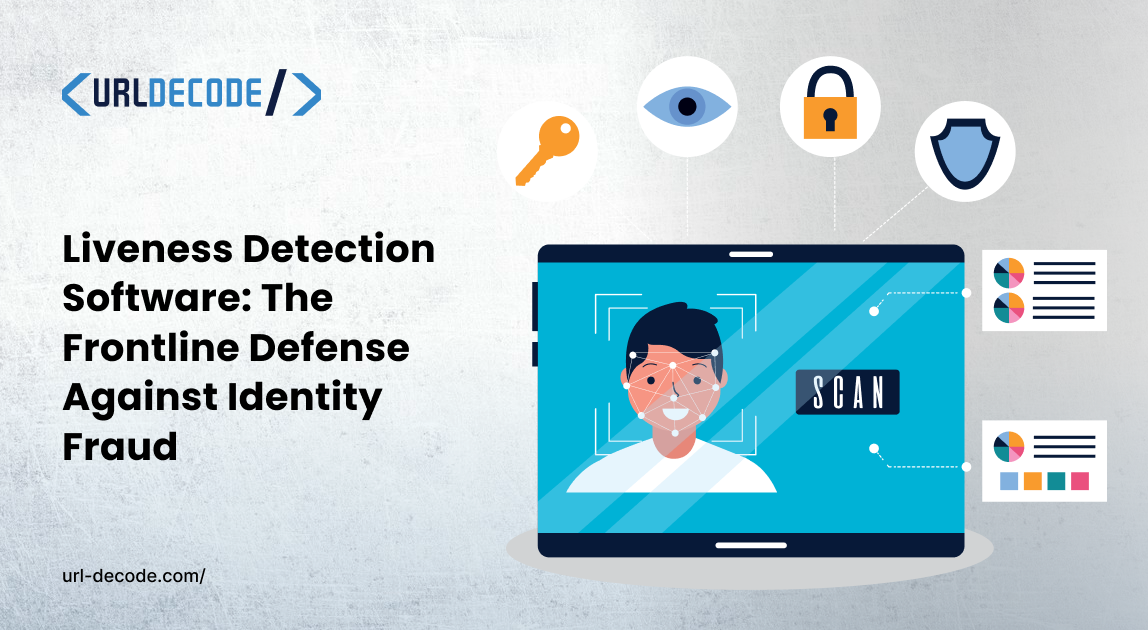
Liveness detection software is a biometric security implementation that uses technology to identify when a real and live person is in the process of an identity verification process. Contrary to the simple biometric matching, which only addresses the possibility of the match of a face or fingerprint to the stored data, liveness detection makes sure that the biometric sample is acquired in real time and not on a photo, video, mask, or deep fake.
The technology has emerged as an essential element of online identity verification, especially in sectors like banking, fintech, crypto, health, and e-markets. Since fraud strategies keep changing, passive liveness detection can be important in ensuring confidence and security in remote onboarding and authentication processes.
The significance of Liveness Detection in the modern world.
The high rate of digital service development has heightened the use of distant identity verification. Customers currently open bank accounts, use financial services, and even carry out KYC checks online. Meanwhile, fraudsters have also evolved, with their devices, high-quality photography, or recorded video and AI-created deepfakes to overcome older biometric security measures.
Liveness detection software handles this dilemma by providing an additional level of security. It assists organizations in distinguishing between real users and fake attempts, as well as minimizing identity theft, account takeover, and regulatory risk.
The working of Liveness Detection Software.
Liveness detection software works with biometric data, mostly face data, to identify whether it is of a live individual. The software takes the real-time input during one of the verification sessions by using a camera and applying algorithms that search in the input to find traces of natural human behavior and physical presence. There are systems that use the involvement of the user, like requesting the individual to blink, smile, or move their head.
Passive techniques are used by others to examine subtle motions, light reflections, skin texture, and depth with no particular action being taken by the user. These techniques aid in making sure that the biometric sample is not reusable or replayable.
Active and Passive Liveness Detection Method.
Active liveness Detection: In active liveness detection, the user must take certain actions when verifying themselves. Such actions are either random or dynamic, and therefore, attackers are not in a position to use pre-recorded videos or pictures. Active approaches will work, but can create drag to the user experience when done incautiously.
Passive liveness detection is a background service, and it analyzes biometric data without clear user directions. It analyzes micro-expressions, depth of 3D, and the surrounding conditions to ascertain authenticity. Passive methods are gaining momentum since they provide high-security levels, as well as a seamless and speedy onboarding process.
Liveness Check in KYC and Digital Onboarding.
A fundamental element of the contemporary digital onboarding and KYC is liveness detection software. It guarantees that the individual presenting identity documents as well as biometric information is physically there during the verification. This is to avoid an instance of fraudsters with stolen documents or fabricated identities using a combination of spoofed biometric input.
In regulated industries, liveness detection assists organizations in complying with the stipulated compliance requirements through enhanced customer due diligence. Liveness detection is not a feature but a strategic requirement since regulators are now demanding strong controls to deal with new threats like fraud using deepfakes.
Spoofing, Deepfakes, and Replay Attacks Prevention.
Liveness detection software has one of the greatest advantages since attacks of spoofing are prevented. These attacks are related to introducing false biometric input, which can be presented in the form of printed photos, screens used to watch videos, or real masks, and deceiving biometric systems. Liveness detection examines behavioral and visual indicators that are hard to imitate.
Deepfakes and replay attacks are also countered with advanced liveness solutions. The software will ensure that previously obtained or manipulated biometric data cannot be used to gain access to the system by ensuring that the biometric data is generated in real time and linked to a specific session.
The place of AI and machine learning.
Machine learning and artificial intelligence are very specific to modern liveness detection software. These technologies allow systems to get trained on large volumes of real and fraudulent attempts and become more accurate with time. Artificial intelligence can recognize slight trends that can differentiate live human actions from fake or repeated actions.
Liveness detection is a growing technology that is driven by AI, as deepfake technology is developing. Such continuous adaptation is the only way to remain ahead of the new methods of fraud and remain highly secure without losing usability.
Advantages of Liveness Detection Software to Business.
In the case of businesses, liveness detection software can save fraudulent losses, enhance regulatory compliance, and secure the brand reputation. By preventing fraudulent access during the onboarding or authentication phase, organizations can eliminate expensive downstream challenges, such as chargebacks, abuse of their account, and data breaches.
Liveness check also increases customer confidence. The more users have confidence that their identity and personal data will not be compromised, the more they will tend to utilize the digital services. Properly enforced liveness detection ensures a smooth user experience with the security system being very robust.
The Future of Liveness Detection Technology.
Liveness detection software will keep on developing as digital identity is more important in online interactions. The future design might be driven by the higher resistance to AI-made fraud, enhanced performance on low-quality devices, and increased inclusivity in the range of different user groups.
Liveness detection is ceasing to be a feature of technicality, but it is a cornerstone to secure digital ecosystems. Companies investing in state-of-the-art liveness detection can better fight identity fraud, live up to regulatory demands, and provide frictionless, secure digital experiences.